
Edith Cowan University
ECU researchers call for enhanced research into common post-stroke condition
Lateropulsion, a clinical condition which results in the body leaning to one side, affects about half of all stroke survivors.

Edith Cowan University
Lateropulsion, a clinical condition which results in the body leaning to one side, affects about half of all stroke survivors.

University of Technology Sydney
Magnetite, a particle found in air pollution, can induce signs and symptoms of Alzheimer's disease.

University of Technology Sydney
Researchers have developed a groundbreaking Artificial Intelligence (AI) system that can rapidly detect COVID-19 from chest X-rays with more than 98% accuracy.

Southern Cross University
A Southern Cross University research team has shown the prevalence of melanoma skin cancer is 120 times higher in surfers than in the general population.

The University of Western Australia
Spritz-OM guards the ear from infection using ‘friendly bacteria’ and aims to reduce the incidence of middle ear infection, or otitis media, in young children.
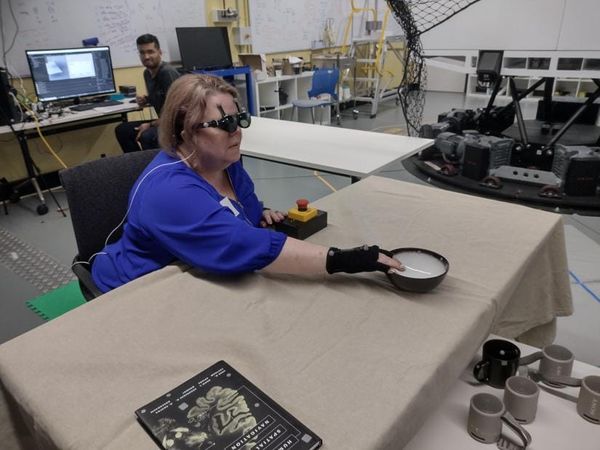
University of Technology Sydney
Australian researchers have developed cutting-edge technology known as “acoustic touch” that helps people ‘see’ using sound.
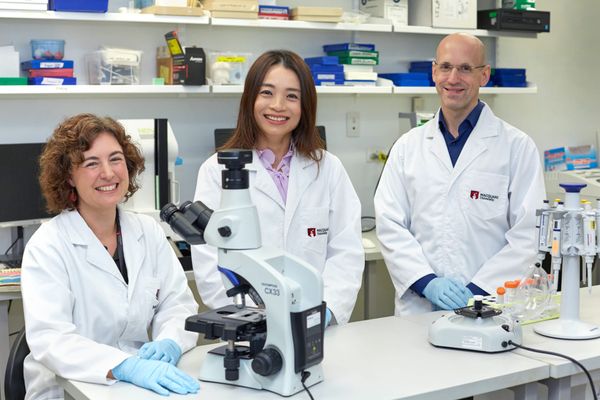
Macquarie University
Macquarie University neuroscientists have developed a single-dose genetic medicine that has been proven to halt the progression of both motor neurone disease (MND) and frontotemporal dementia (FTD) in mice – and may even offer the potential to reverse some of the effects of the fatal diseases.

The University of Western Australia
A breakthrough clinical trial has found that combining a new drug with chemotherapy treatment improved survival rates of malignant mesothelioma patients.
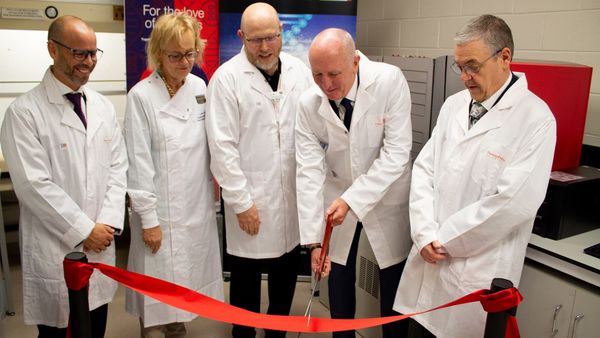
Edith Cowan University
Edith Cowan University's Centre for Precision Health has become the first research facility in WA to have the capabilities of mapping the entire human genome.

University of the Sunshine Coast
UniSC launches National PTSD Research Centre

University of Technology Sydney
Harnessing new advances in genomic surveillance technology could help detect the rise of deadly ‘superbugs’ and slow their evolution and spread, improving global health outcomes, a new Australian study suggests.

The University of Melbourne
‘Social prescribing’ is a growing area where health professionals connect patients to non-medical services and activities to benefit their wellbeing.