Macquarie University
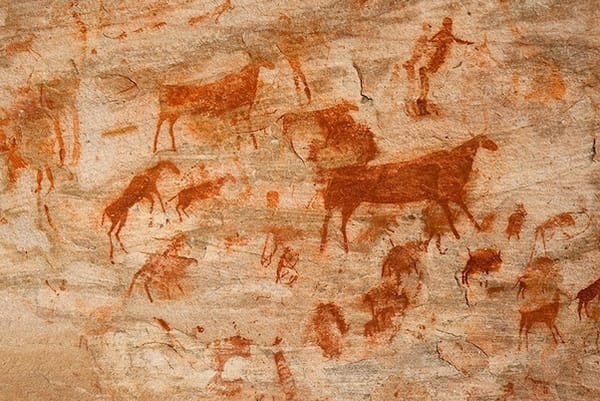
How humans reshaped the animal world
New fossil research shows how human impacts, particularly through the rise of agriculture and livestock, have disrupted natural mammal communities as profoundly as the Ice Age extinctions.

Macquarie University
New fossil research shows how human impacts, particularly through the rise of agriculture and livestock, have disrupted natural mammal communities as profoundly as the Ice Age extinctions.
Macquarie University
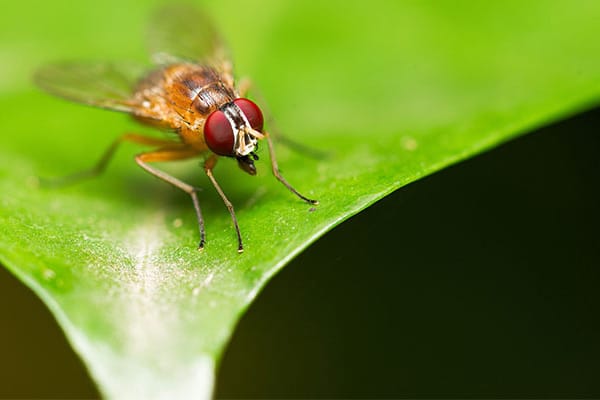
Macquarie University research shows a chemical banned in Europe but still sprayed on Australian produce to kill fungus also wipes out beneficial insects and pollinators, potentially fuelling global insect decline.
University of the Sunshine Coast
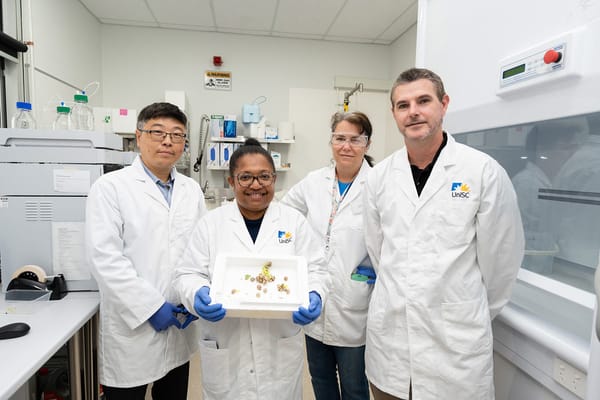
A secret ingredient in snail trails is helping the pests save themselves from poisons spread to protect farms and gardens across Australia.
Edith Cowan University
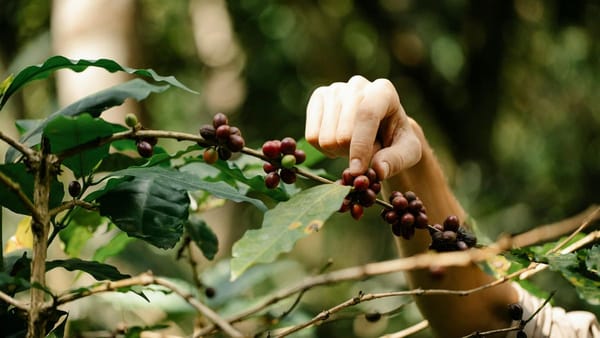
New research from Edith Cowan University has identified a new and quicker method to detect infections in coffee berries, which has the potential to save coffee crops around the world.
Macquarie University
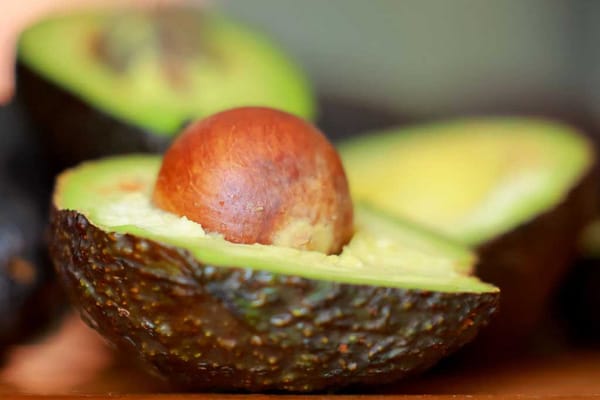
Macquarie University scientists will lead a major research project to help protect Australia’s avocado industry from destructive pests and diseases, including anthracnose fungus, flower-attacking thrips and plant-damaging mirid bugs.

Charles Darwin University
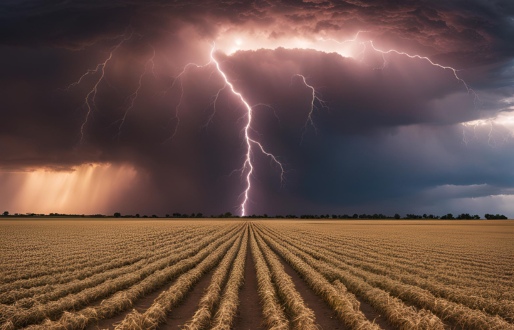
Nature is still too complex for artificial intelligence (AI) modelling to be effective, but the tipping point is close, according to a new study that found the technology may still trip at the last real-world hurdle.
University of New England
Professor of Nursing Kim Usher and Senior Lecturer in Clinical Psychology Dr Kylie Rice – both landholders themselves – are collaborating with Australian farming organisations to understand the wellbeing of primary producers.
The University of Newcastle
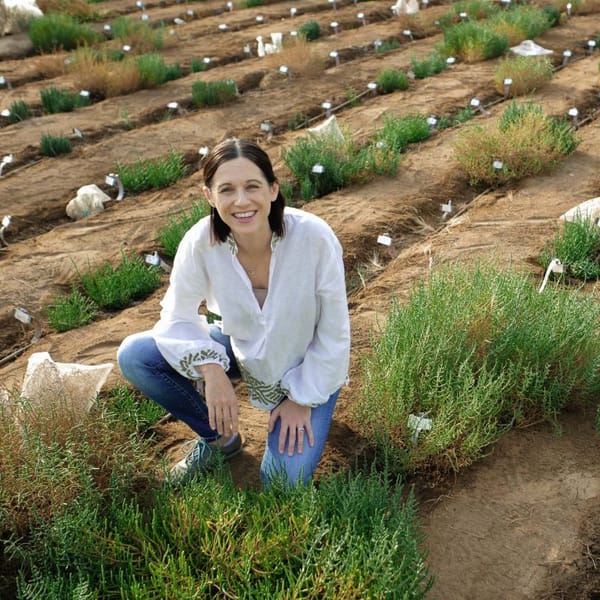
Budding new plant biology research is paving the potential to produce food crops that not only survive but thrive in salty conditions.
The University of Sydney
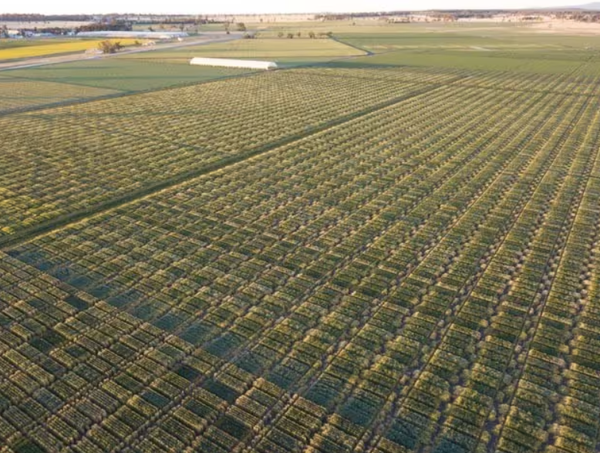
University of Sydney researchers tested wheat in heat and carbon-intense conditions that replicate future climate change and found that many common varieties produce fewer grains - a wake up call for growers nationwide.