Truffles are on the menu for threatened marsupials returning to a World Heritage area
New study confirms important food resources are available to support the successful reintroduction of two threatened marsupials to a Western Australian World Heritage area.
First published by Edith Cowan University
A new study from Edith Cowan University (ECU) confirms the presence of fungal food resources is important for supporting the reintroduction of two threatened marsupials to the Shark Bay World Heritage area, which could simultaneously advance species conservation and ecosystem restoration.
This study, led by Edith Cowan University PhD Candidate Rebecca Quah, took place at six sites across Western Australia and the Northern Territory, including Dirk Hartog Island in Shark Bay.
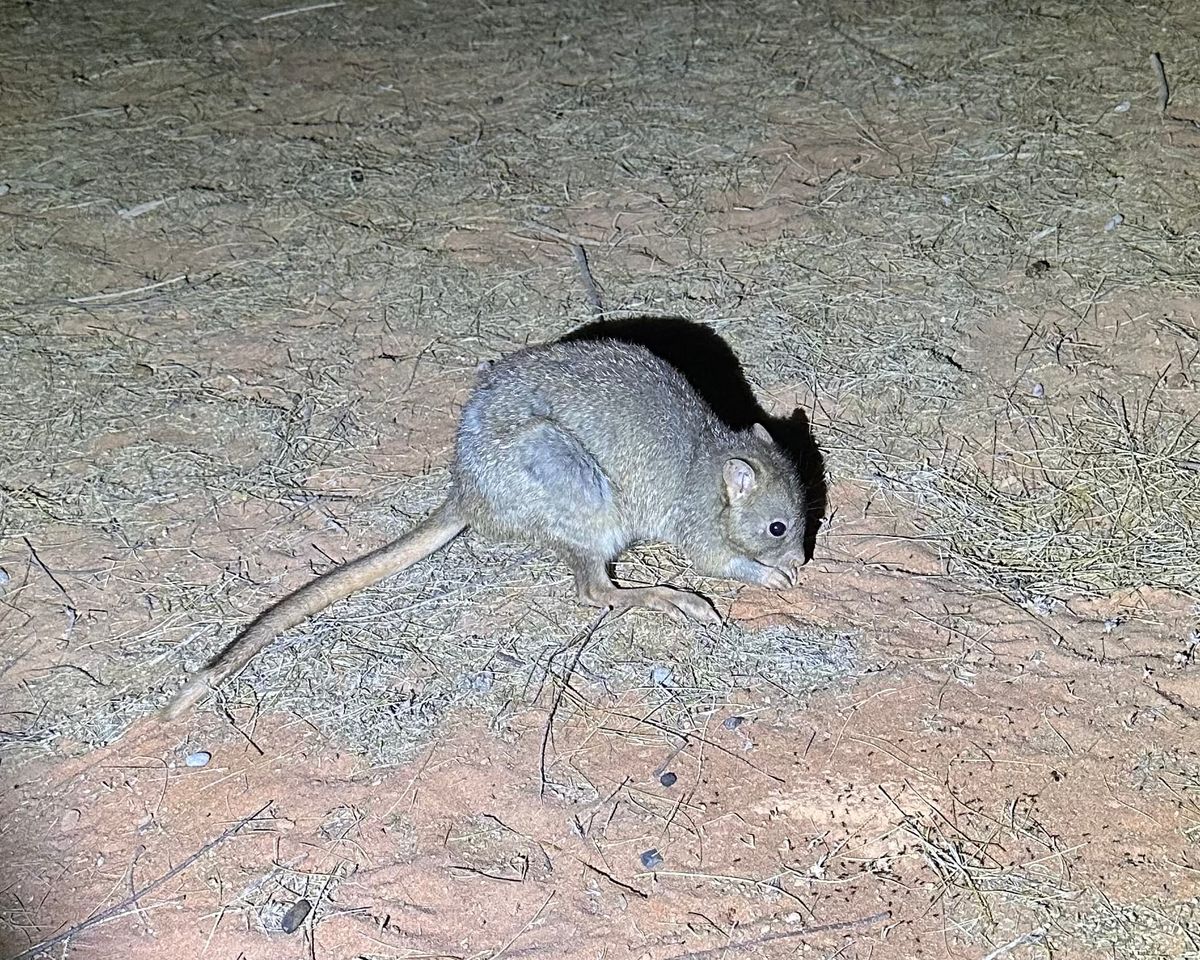
Scientists used DNA technology to decipher what fungi were palatable to boodies (burrowing bettong) and woylies (brush-tailed bettong) – small, 1kg to 2 kg marsupials. Then verified that key food resources were available to support new populations on the island.
Once thriving across Australia, Ms Quah said, "like countless native animals, these marsupials were driven to the brink of extinction by introduced predators and a landscape transformed beyond recognition".
"What makes these bettongs special is that they spend many of their waking hours digging through soil, either in search of food or burrowing for shelter in the case of the boodie," Ms Quah said. "Amongst the dietary items these bettongs eat is fungi, a feeding habit known as mycophagy. As they dig and feast on fungi, they are doing something crucial for the landscape - turning over soil and spreading fungal spores, which helps to keep plants and the wider ecosystem healthy.
"But in their absence, negative implications have rippled through landscapes in ways we are only beginning to understand."
Cryptic kingdom
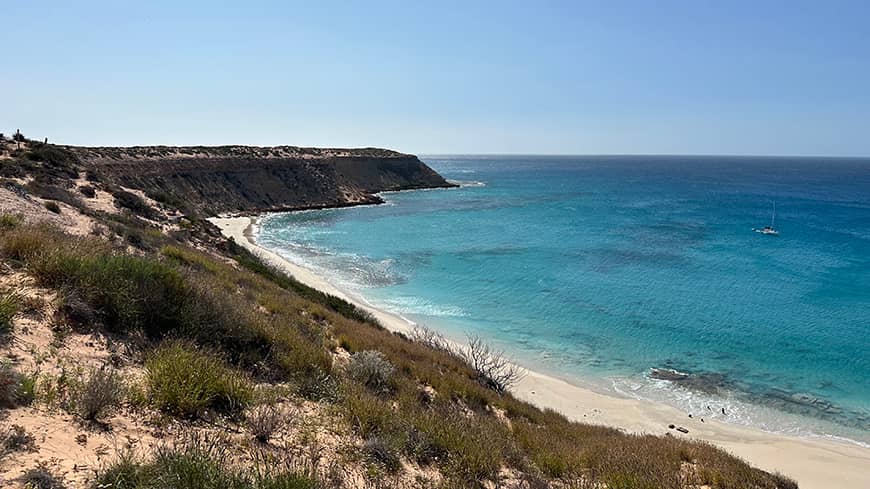
Dirk Hartog Island wasn't always the way it is today. Between the 1860s and 2009, pastoral activity dramatically changed the landscape on the island and coupled with the effects of predation by introduced feral cats, at least 11 native species disappeared.
Following the successful removal of livestock and feral cats, the island is now in recovery, with scientists actively reconstructing its faunal assemblage.
"Prior to the boodie and woylie reintroductions, we needed to know if the cryptic fungal resources these species depend on persisted through the landscape changes on the island," Ms Quah said.
Fungi spend most of their lives hidden underground as networks of thread-like structures. "The fruiting bodies we see as mushrooms are only the tip of the iceberg, and some fungal fruiting bodies never show themselves above ground at all."
Traditional methods of studying fungal communities posed many challenges; however, molecular technology has changed everything.
DNA solves a fungal mystery
"Instead of painstakingly looking through faecal and gut content to manually identify undigested food material under a microscope, we can now use DNA technology. Our study demonstrates how versatile this technique can be by using it in two ways," Ms Quah explained.
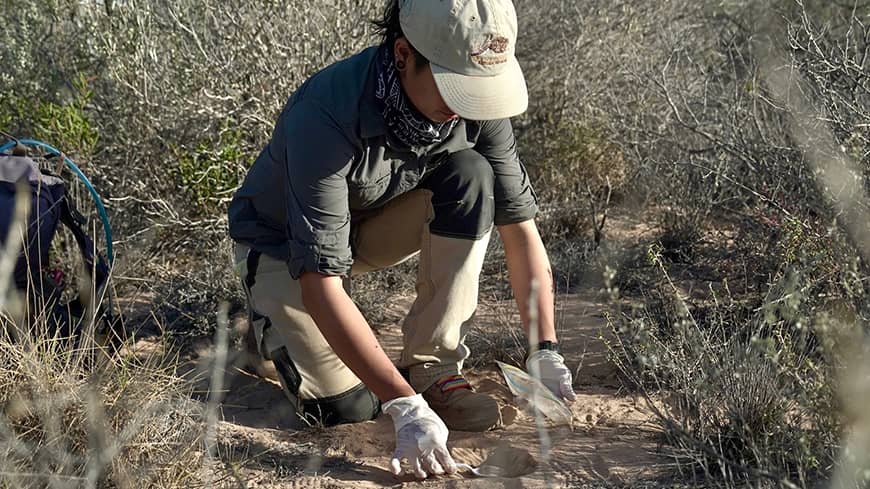
"First, we analysed DNA from the faeces of boodies and woylies at five sites across Western Australia and the Northern Territory," Ms Quah said. Just like fingerprints, the DNA sequences help scientists to identify each fungal species that has been eaten by the bettongs.
"Then, we collected soil samples from dominant habitat types across Dirk Hartog Island and similarly analysed the DNA in the soil, which let us know what fungi were present on the island". Finally, the scientists were able to compare the two datasets.
Ms Quah said the results showed the island is home to 75 different types of fungi that produce larger, more visible fruiting bodies that animals are likely to go for.
"More importantly, approximately 50 per cent of the fungi that boodies and woylies consume at other sites are present on Dirk Hartog Island, including a truffle-like species from the Pezizaceae family, which was most abundant in both boodie and woylie diets, as well as on the island."
Dig, dine, disperse
Ms Quah said the significance of the findings extends beyond population survival.
"Boodies and woylies are not just passengers in the ecosystem, but as they consume and defecate fungal material, their movement through habitats facilitates fungal dispersal," she said. "We identified that the majority of boodie and woylie diets consist of ectomycorrhizal fungi, which are important in plant nutrient uptake, carbon cycling, and boosting overall ecosystem productivity."
"Some fungi, in particular, those that fruit underground, have also evolved to rely heavily on animals like bettongs for dispersal by developing an aromatic characteristic to attract these animals."
Ms Quah said without boodies and woylies on the island, the dispersal of these fungi would be limited, and this would have negative effects on plant communities.
"We are hopeful that the reintroduction of these bettongs will not only contribute to their conservation, but also restore ecological functions that have been largely absent for decades on Dirk Hartog Island," Ms Quah said.
The Department of Biodiversity, Conservation and Attraction's (DBCA) lead of fauna reconstruction and Animal Science Program Leader, Dr Lesley Gibson said the DBCA's Return to 1616 ecological restoration project has greatly benefited from Ms Quah's research, which has confirmed that important food resources are available on the island.
"This provides confidence that reintroduced boodies and woylies have the best possible opportunity to establish, thrive, and contribute to the restoration of the island's ecosystem."
The study, Is There Mush-room for Bettongs on Dirk Hartog Island? Environmental DNA Assessment of Food Resource Availability for Fauna Translocations, was published in Ecosytems.