Griffith University
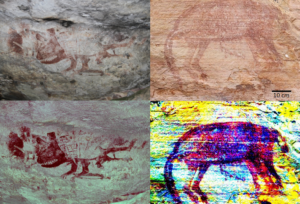
Tasmanian tiger lives on in Arnhem Land rock art
The striped dog-like marsupial we know as the Tasmanian tiger has long been surrounded by mystery, and the subject of scientific curiosity.

Griffith University
The striped dog-like marsupial we know as the Tasmanian tiger has long been surrounded by mystery, and the subject of scientific curiosity.
The University of Western Australia
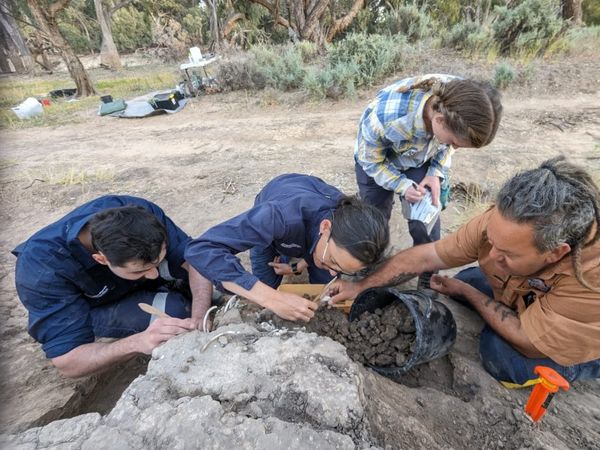
The skeleton of a millennium-old dingo that was tamed by Barkindji ancestors has been uncovered in a midden on the Baaka (Darling River) in New South Wales.
The University of Western Australia
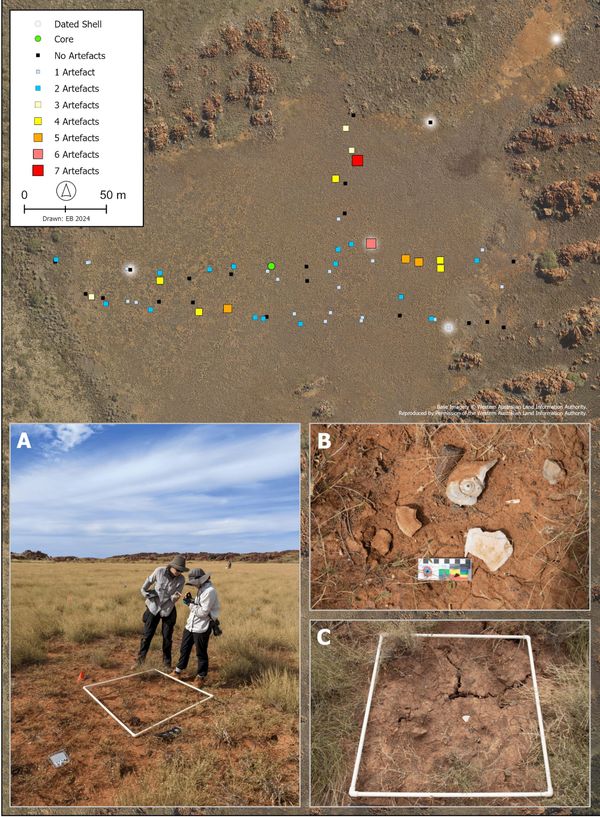
New research has shown that water movement in clay-rich soils can lift stone artefacts toward the surface – exerting a natural influence on how archaeological materials are distributed across the surface of some landscapes.
Griffith University
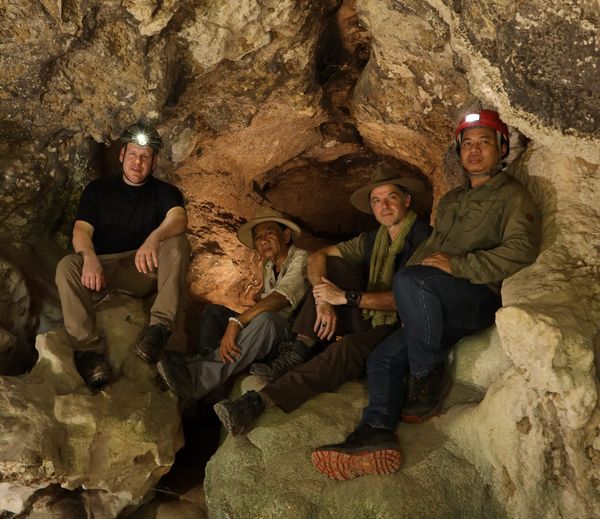
An international team, co-led by Griffith University researchers, Indonesia’s national research and innovation agency (BRIN) and Southern Cross University, discovered and dated cave paintings made by our species on the island of Sulawesi at least 67,800 years ago.

Curtin University
New Curtin University research has delivered the strongest scientific evidence yet that people – not glaciers – transported Stonehenge’s famous bluestones to the ancient site.
Macquarie University
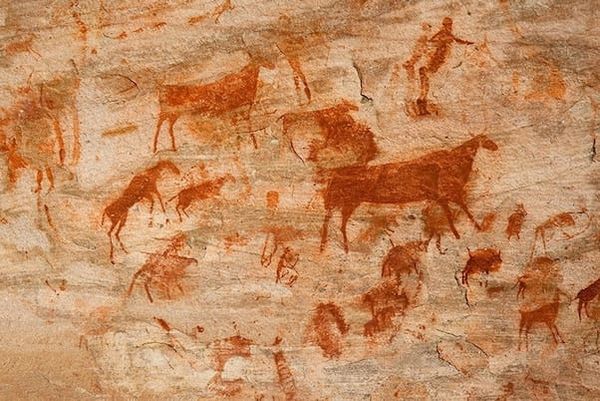
New fossil research shows how human impacts, particularly through the rise of agriculture and livestock, have disrupted natural mammal communities as profoundly as the Ice Age extinctions.
Flinders University
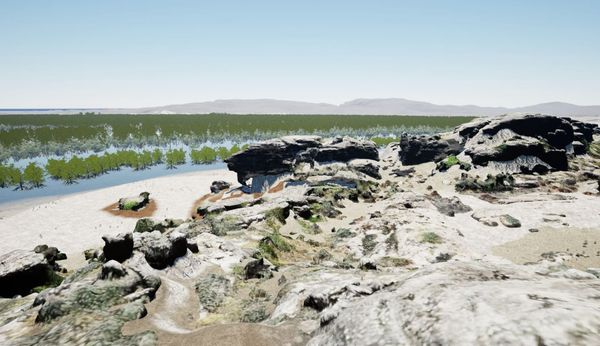
New research has uncovered internationally significant rock art sites in Arnhem Land were far from random and instead “chosen” for the critical vantage points they provided.
Flinders University
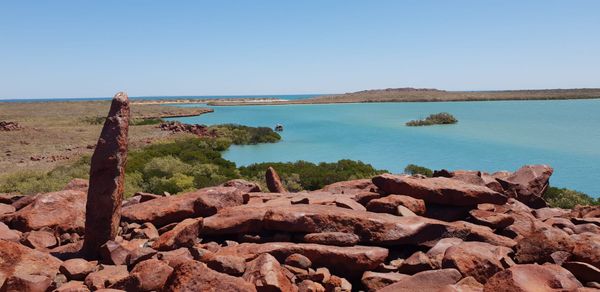
New archaeological research has highlighted major blind spots in Australia’s environmental management policies which are placing submerged Indigenous heritage at risk.